Raymore sits in Cass County along the US-71 and Route 150 corridor south of Kansas City, and its commercial growth has followed residential rooftops rather than led them, which shapes what kind of replacement property actually makes sense here for a 1031 buyer.
An investor evaluating Raymore should read it as a market still catching up to its own population growth, which creates opportunity in some categories and a genuine shortage in others.
That lag between rooftops and commercial delivery is exactly why certain categories, self-storage and grocery-anchored retail in particular, have performed well even before the surrounding subdivisions are fully built out.
Rooftops First, Commercial Second
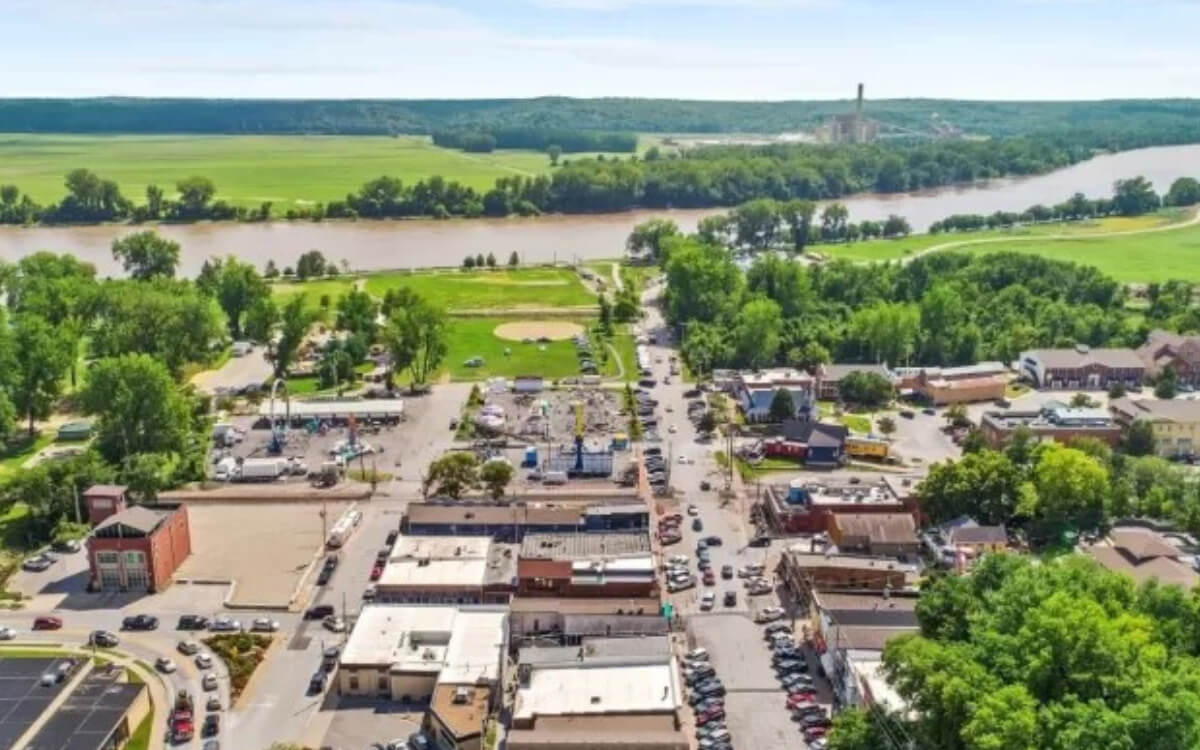
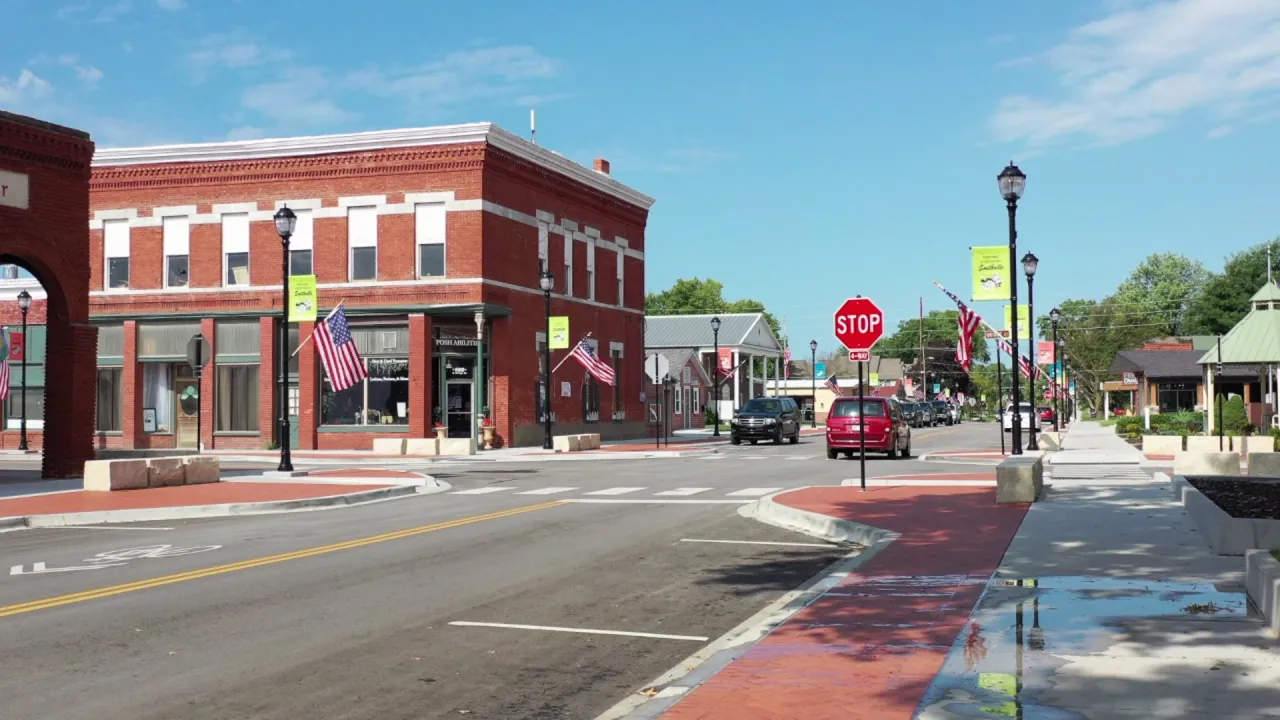
New subdivisions on Raymore's edges have pulled retail and service development behind them, and the historic downtown square still holds an older, smaller-scale commercial core with a different tenant mix than the newer corridor retail near the highway. Self-storage has also grown alongside the residential base, since new rooftops create steady demand before enough retail arrives to serve them.
Grocery-anchored and service retail near the newest subdivisions have generally leased up quickly, since rooftop growth in Raymore has outpaced the commercial space built to serve it.
That imbalance is worth confirming property by property, since a retail center that looks fully leased today may simply reflect a temporary shortage of nearby competing space rather than durable long-term demand.
The Property Types Behind the Growth
- self-storage facilities serving new residential areas
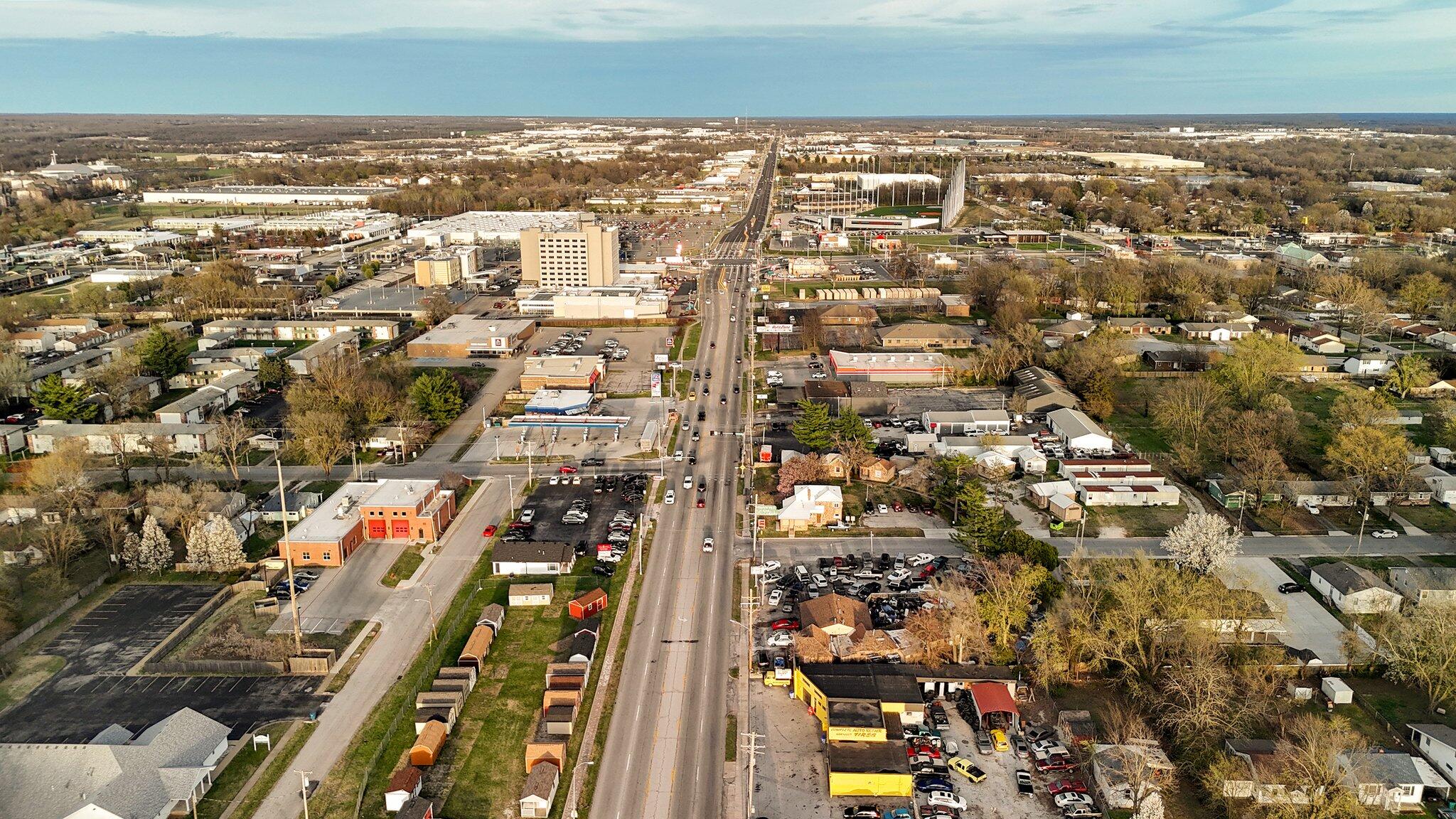
- corridor retail and service centers near US-71
- historic downtown square retail
- land parcels awaiting commercial improvement
- limited light industrial and flex space
Utility Cost on New Versus Old Construction
Newer retail and self-storage buildings along the highway corridor generally carry efficient roofing and mechanical systems, keeping utility cost low and predictable. Downtown square buildings, some dating back well over a century, need a closer look at roof age and insulation before an investor assumes the same operating profile as the newer corridor product.
A downtown building with genuine historic value can still make sense as a replacement property, but the reserve schedule should reflect its age rather than borrow assumptions from the newer highway-corridor buildings.
A recent roof inspection is the fastest way to separate a downtown building that has been quietly maintained from one that has been coasting on a historic facade, and that distinction should drive the offer more than the storefront's appearance, particularly since a historic exterior can hide meaningfully different mechanical conditions behind it.
Land-Improvement Candidates Need Extra Time
Because part of Raymore's near-term inventory is raw or lightly improved land rather than a stabilized building, an investor considering that kind of candidate should confirm zoning, utility availability, and any required improvements early in the 45-day window, since these deals typically carry more pre-closing steps than an existing income property.
Coordinating with the city on infrastructure timing, particularly for land near the newest subdivisions, can materially change how quickly a land-improvement candidate is actually usable as a replacement.
An investor should also ask whether a proposed improvement requires a new curb cut, sewer tap, or traffic study, since any of those approvals can extend a timeline well past what a straightforward building purchase would require, and the added time should be weighed against the exchange deadline before the parcel is identified.
Getting the File to the Intermediary and CPA
A Raymore file usually needs to show whether the replacement candidate is a stabilized retail or storage asset or a land-improvement play, since the reserve, financing, and boot calculations differ meaningfully between the two, and both the qualified intermediary and the tax advisor should see that distinction clearly.
Where self-storage is the target asset, occupancy trends by unit size, rather than a single overall occupancy percentage, give a more accurate read on how the property will perform once the surrounding subdivisions fully build out.
A clear written summary of which subdivisions feed a given retail or storage property helps the CPA and intermediary understand the growth story behind the numbers rather than relying on the raw rent roll alone.
Common 1031 Exchange Questions
Is Raymore mostly a residential growth market for 1031 buyers?
The residential growth is what drives the commercial demand, which shows up mainly as retail, service centers, and self-storage following the new subdivisions along the edges of the city.
What is the difference between downtown Raymore and the highway corridor for replacement property?
Downtown square buildings tend to be much older with roofing and insulation that need closer review, while corridor retail near US-71 is generally newer and easier to underwrite on utility cost.
Why is self-storage common in Raymore?
New residential rooftops create demand for storage before enough retail arrives to serve the area, which has made self-storage an early and steady commercial use here, sometimes ahead of general retail leasing.
What should an investor check before identifying a land-improvement parcel in Raymore?
Zoning status, utility availability, and any required improvements, since land-improvement candidates typically need more pre-closing work than a stabilized income property, plus coordination with the city on infrastructure timing.
Does the intermediary need different documentation for a land deal versus a retail building in Raymore?
Yes. The file should clearly show whether the candidate is a stabilized asset or a land-improvement play, since reserve and financing assumptions differ between the two, and the tax advisor should see that distinction as well.