Kearney sits well north of Kansas City in Clay County along US-92, and its commercial base is genuinely small compared with the rest of the metro. Investors considering Kearney as a replacement-property market should expect a thin, slower-moving inventory rather than the depth available closer to the urban core, and an honest identification strategy has to account for that scale from the start rather than treating it as a smaller copy of a bigger submarket.
What a Small Exurban Market Actually Offers
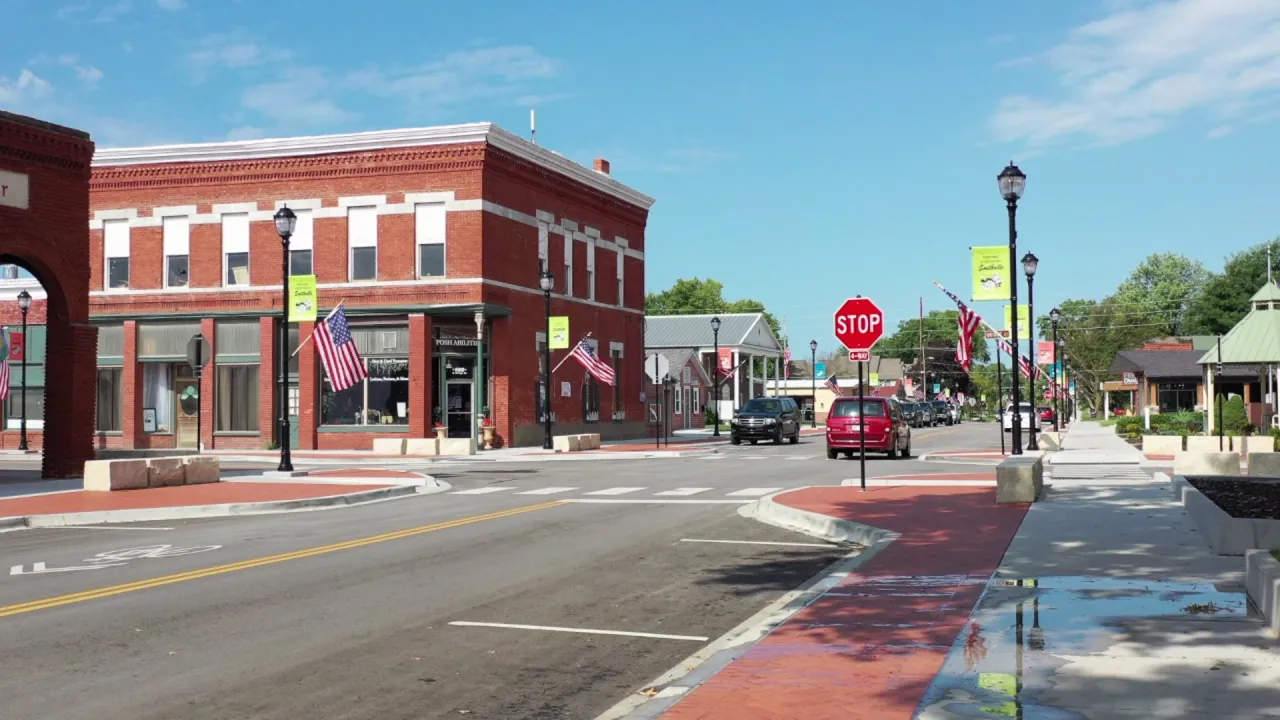
Kearney's commercial stock is concentrated along US-92 and the town's small downtown core, mostly single-story retail and service buildings serving the local population rather than regional draw. A limited amount of light industrial and flex space sits near the edges of town, and some agricultural-adjacent parcels occasionally come up as land for future development rather than immediate income property. Transaction volume here is low enough that a given property type may only turn over a handful of times in a given year, which is worth setting expectations around before an investor starts a serious search.
Realistic Property Categories in Kearney
- small single-tenant retail and service buildings
- local strip retail near the downtown core
- limited light industrial and flex space
- agricultural-adjacent land parcels
Diligence That Matters More in a Small Market
Because Kearney properties trade less frequently, there are fewer recent comparable sales to lean on, so diligence has to rely more heavily on the seller's own operating and capital history. Roof and utility condition should be confirmed directly rather than assumed from limited market data, and any building that has changed use over the years should have its utility service checked against the current tenant rather than the original design.
Because Clay County's rural areas can have longer utility and permitting lead times than the urban core, factoring that into the closing schedule avoids a late surprise on a Kearney property that needs any work verified before closing, and a direct call to the county building department early is usually worth more than relying on the listing agent's estimate.
Identification Strategy for Thin Inventory
Given how little product turns over in Kearney at any given time, the three-property rule with a genuine backup outside the immediate area is usually more workable than trying to build a longer list from a market this small. Investors should be candid with their tax advisor and qualified intermediary about the limited comp set early, since a Kearney-only identification list carries more risk of the primary candidate falling through with no ready replacement.
Setting Expectations With the Advisory Team
A Kearney replacement property can still make sense for an investor prioritizing simplicity and lower management intensity over scale, but the qualified intermediary, CPA, and lender should all understand upfront that this is a small, slower market rather than a scaled-down version of the Kansas City core. That honest framing keeps the 45-day and 180-day deadlines realistic rather than optimistic, and it avoids the common mistake of assuming a Kearney search will move at the same pace as a search in a deeper submarket closer to the urban core.
Common 1031 Exchange Questions
Is Kearney a realistic 1031 replacement market for most investors?
It can work for investors who specifically want a smaller, lower-intensity property, but the limited inventory and thin transaction volume mean the identification and closing timeline should be planned conservatively rather than assuming Kansas City-core availability.
How many comparable sales are typically available in Kearney?
Very few in a given year for any specific property type, which means diligence has to rely more on the seller's direct operating and capital history than on a broad set of recent local sales comparisons.
Should I identify a backup property outside Kearney?
Yes. Given how thin the local inventory is, a documented backup outside the immediate Kearney area protects the identification list if the primary candidate falls through, which is a real risk in a market this small.
Does Clay County's rural permitting pace affect a Kearney closing?
It can. Utility and permitting lead times in Kearney and the surrounding rural parts of Clay County tend to run longer than in the urban core, so building that lead time into the 180-day exchange period is worth doing early.
Can agricultural-adjacent land near Kearney qualify as like-kind replacement property?
Generally yes, since like-kind for real estate is a broad standard that covers most business or investment real property, but an investor should confirm the intended use and holding period with a tax advisor before naming raw land as a replacement candidate.
What's the biggest mistake investors make when considering Kearney as a replacement market?
Assuming the search and closing timeline will resemble a deeper submarket. Starting outreach late, or assuming a wide comp set exists to fall back on, are the two most common ways a Kearney-focused identification list runs into trouble against the 45-day and 180-day deadlines.
Does financing get harder to arrange for a small Kearney commercial property?
It can take longer, since some lenders are less familiar with small exurban Clay County properties than with core-metro product, so starting the lender conversation as early as possible and being ready with the seller's operating history helps keep underwriting on schedule.
What role does the tax advisor play in a Kearney exchange given the smaller dollar amounts involved?
The same role as in any exchange regardless of size, confirming basis, boot exposure, and reporting requirements; a smaller transaction value does not reduce the importance of getting the exchange structure right before closing.