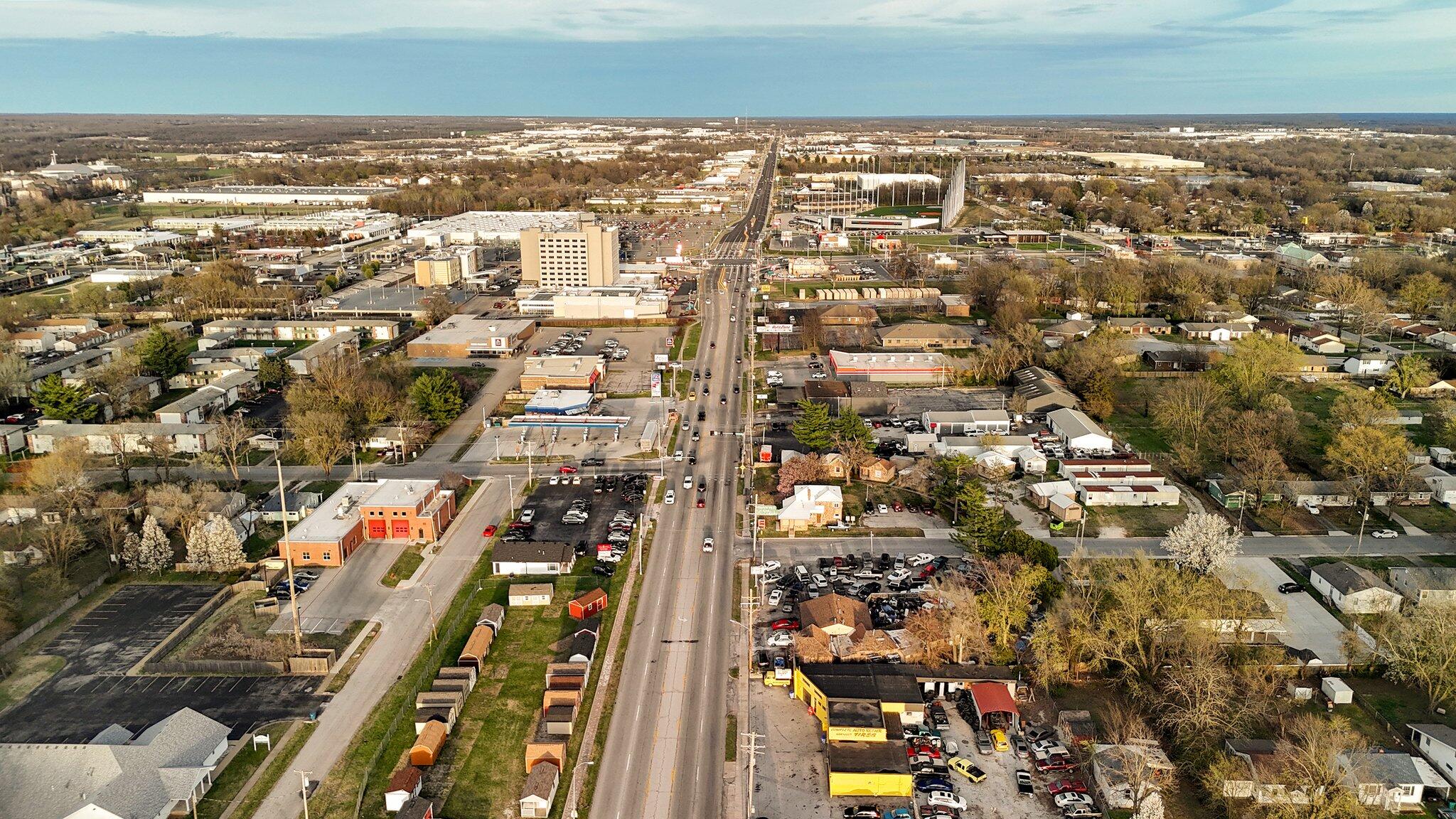
Platte City is the Platte County seat and sits close enough to Kansas City International Airport that airport-driven logistics growth has started to reshape what gets built along the I-29 corridor, even though the town itself still reads as a small county-seat community.
That combination, a fast-changing industrial edge next to a slow-changing downtown, is the single most important thing for a 1031 buyer to understand before building an identification list here.
Investors who have not tracked Platte City closely sometimes still picture it as a purely rural county seat, and that outdated picture can lead to mispricing a well-located logistics parcel near the interstate.
Airport Growth Meets a Small-Town Core
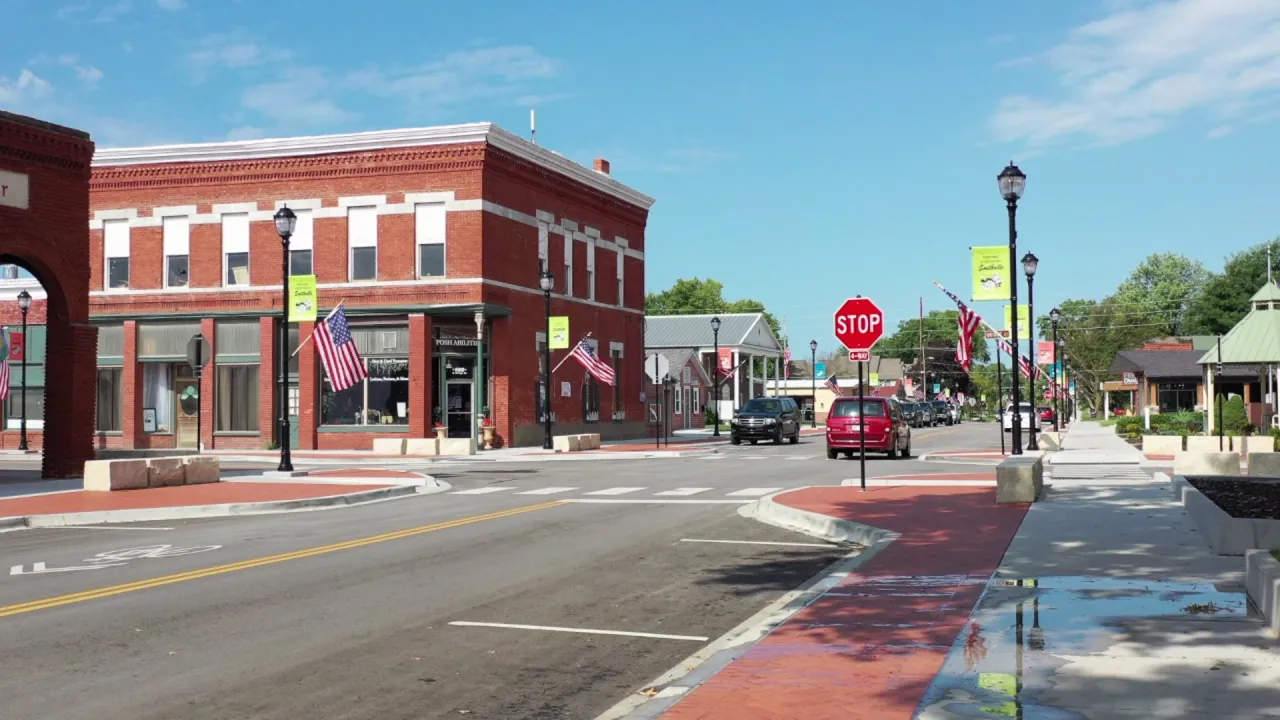
Agricultural land near the interstate has been converting to distribution and logistics use as the airport area draws more freight and warehousing activity north from the rest of the metro. Downtown Platte City, meanwhile, still functions as a county government and small-retail center, with a different pace and scale than the newer industrial parcels a few miles away.
Employment tied to the airport itself, along with the freight and logistics companies serving it, has added a category of demand that did not really exist in Platte City a generation ago, and that demand is still working its way through the local land market.
Road and utility infrastructure near the interstate has generally kept pace with this growth better than in some other Northland communities, which has made entitlement and construction timelines somewhat more predictable for buyers targeting that side of the market.
The Two Sides of the Platte City Market
- newer distribution and logistics buildings near I-29
- county government and courthouse-district office space
- small downtown retail and service storefronts
- agricultural land in transition to commercial use
- limited multifamily and self-storage development
Utility Cost Differs Sharply Between the Two Sides
The newer logistics buildings near the interstate generally carry modern insulation, membrane roofing, and efficient lighting, which keeps utility cost predictable and easy to underwrite. Downtown Platte City's older commercial buildings do not share that advantage, and a buyer looking at a courthouse-area storefront should confirm roof and HVAC condition rather than assume it matches the newer product a few miles out.
The gap between the two profiles is wide enough that a single blended utility-cost assumption for the whole city would misprice either side of the market.
Land in Transition Adds Timing Risk
Because a portion of Platte City's near-term inventory is land converting from agricultural to commercial use, an investor building a 45-day identification list here should confirm entitlement and utility availability status early, since a parcel that looks like a straightforward replacement can carry more pre-closing work than a stabilized building would.
Working with the county on zoning and utility timelines before the identification deadline, rather than after, avoids a late surprise that can jeopardize the exchange.
A pre-application meeting with the county planning office, even an informal one, can clarify in days what might otherwise take weeks to confirm through a formal permit submission.
Investors should also confirm whether any incentive or infrastructure-cost-sharing agreement runs with a parcel near the interstate, since Platte County has used those tools to help attract logistics development, and an agreement tied to the land can affect both financing and future resale, so its full terms should be reviewed carefully alongside the standard title work before closing.
Preparing the Record for Closing
A Platte City file typically needs to show the qualified intermediary and lender which side of the market a property falls on, airport-adjacent logistics or downtown small commercial, since the underwriting assumptions, utility profile, and reserve needs differ meaningfully between the two.
For land-in-transition candidates, entitlement status and any pending utility extension agreements should be documented alongside the standard title and survey work, since a gap in either can hold up the closing even after every other part of the file is complete.
A short narrative memo summarizing which category the property falls into, and why, helps the qualified intermediary and the investor's CPA move faster and with fewer follow-up questions when the exchange deadline is close.
Common 1031 Exchange Questions
Is Platte City mostly a logistics market now because of the airport?
It is trending that way along I-29, but downtown Platte City still functions as a small county-seat retail and government center, so the market is really two distinct pieces that should not be underwritten the same way.
What should a buyer check on downtown Platte City storefronts?
Roof and HVAC condition specifically, since older courthouse-district buildings do not share the newer envelope standards of the logistics product near the interstate.
Why does land-in-transition inventory add risk to the identification timeline?
Entitlement and utility availability need to be confirmed before a raw or converting parcel can be treated as a reliable replacement candidate within the 45-day window, and county-level approvals can move slower than a private sale.
Does newer logistics space near the airport carry lower utility cost?
Generally yes, since recent construction near I-29 tends to use modern insulation, membrane roofing, and efficient lighting compared to the older buildings downtown.
What does the intermediary need to know about a Platte City property?
Which side of the market it falls on, airport-adjacent logistics or downtown small commercial, since financing and reserve assumptions differ between the two, along with entitlement status for any land-in-transition parcel.