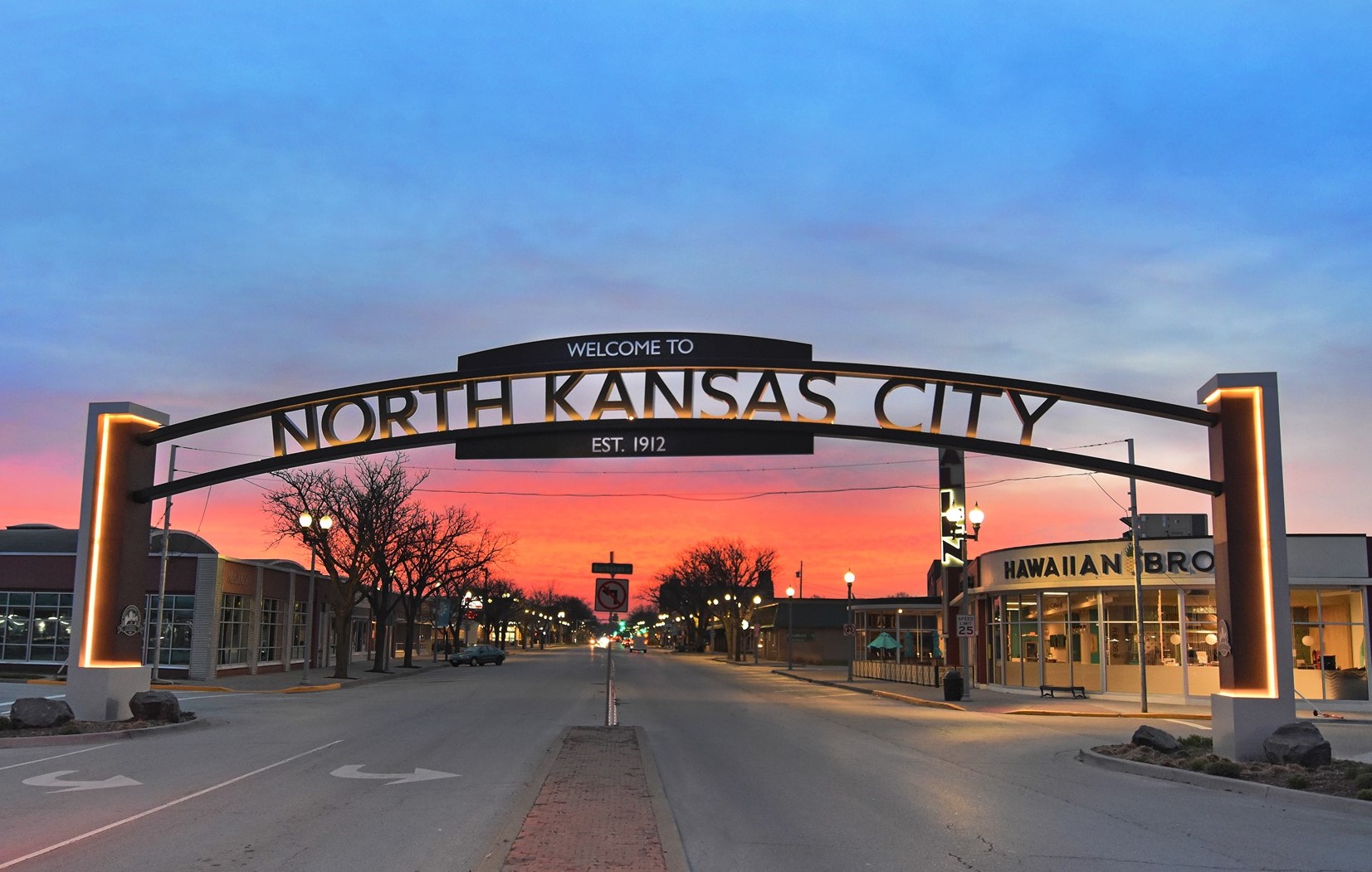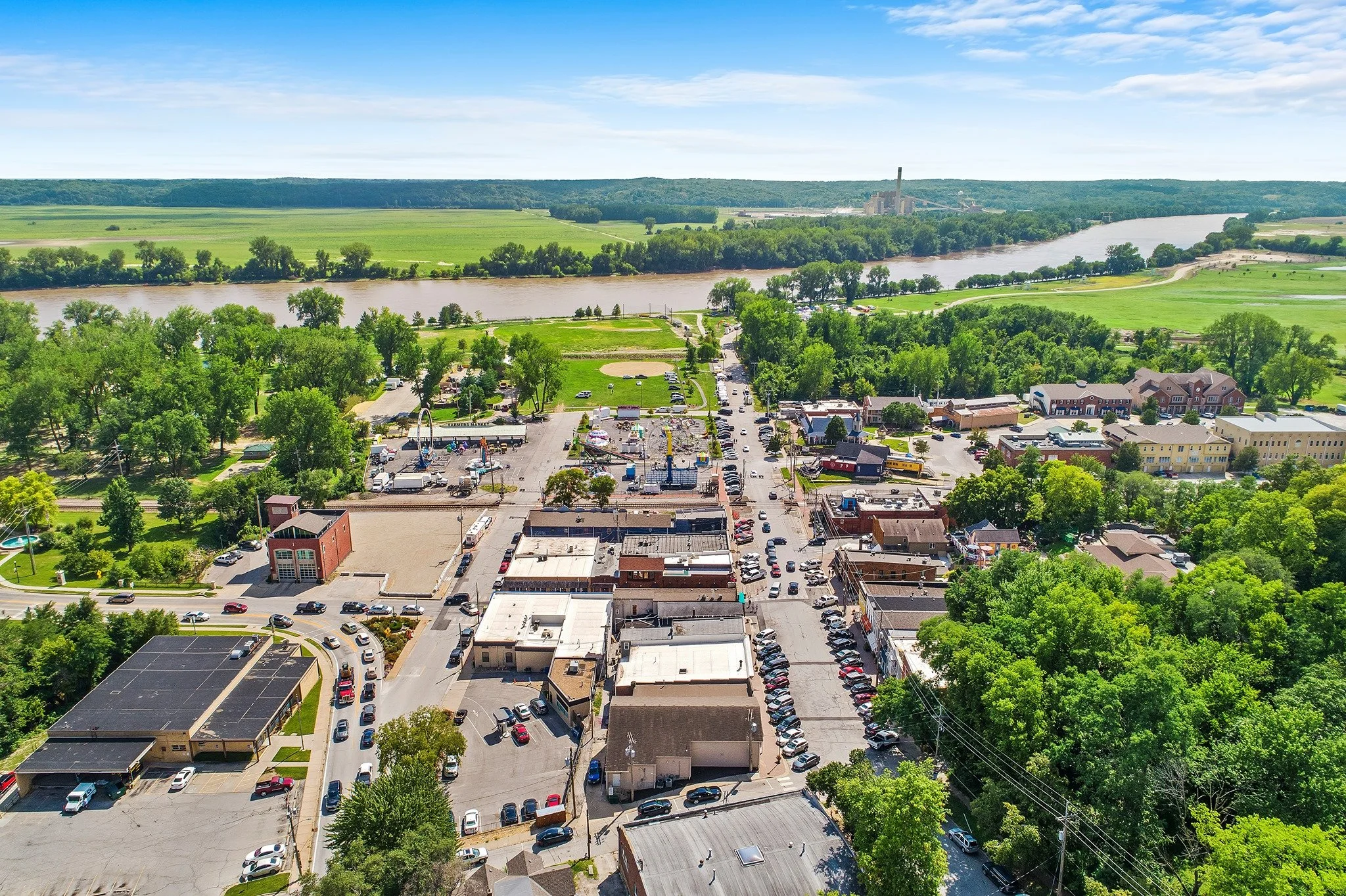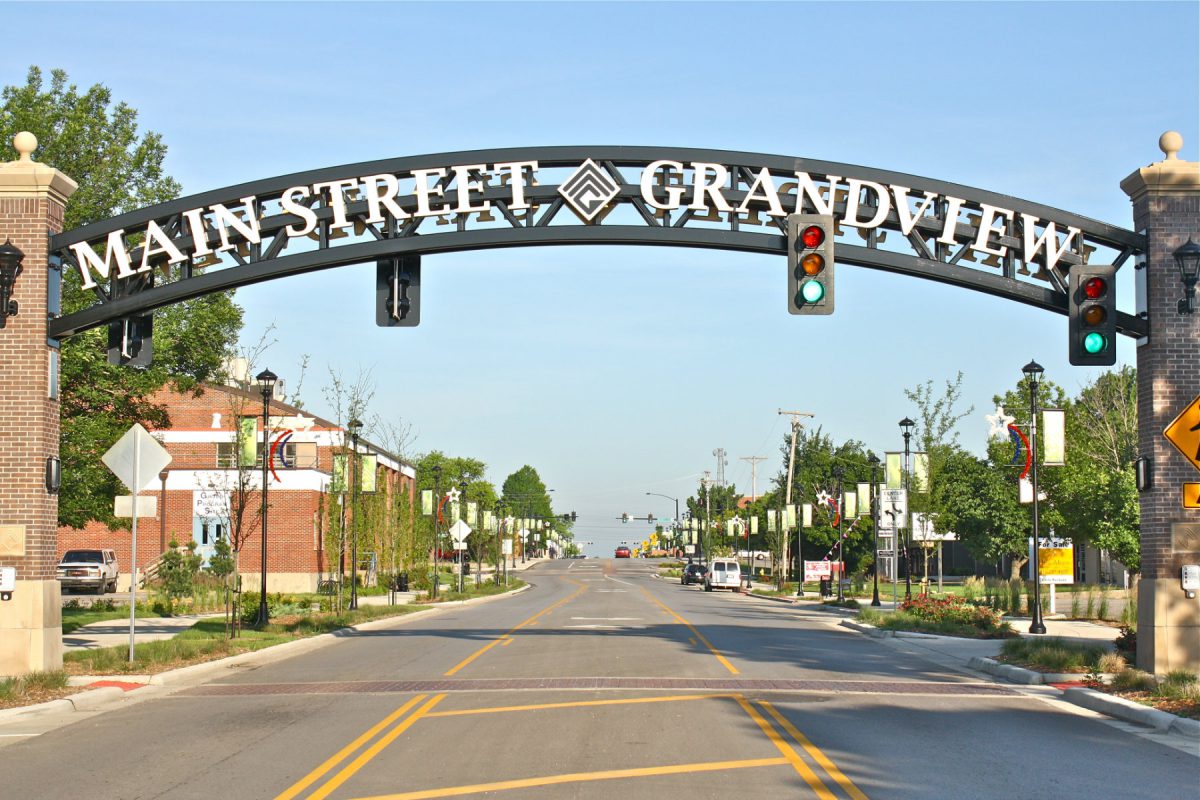
Gladstone is a built-out, inner-ring Clay County suburb north of the Missouri River, and its commercial base along North Oak Trafficway reflects decades of incremental development rather than a recent growth wave. Exchange candidates here tend to be smaller, older buildings with real income history, which changes how diligence and identification should be approached compared with newer suburbs where pro forma assumptions carry more weight than actual operating history.
The North Oak Trafficway Pattern
Most of Gladstone's retail and small office stock runs along North Oak Trafficway in a mix of freestanding buildings and small inline centers, several dating to the 1970s and 1980s with multiple ownership changes since. Medical and dental office space has held steady demand near the corridor's older strip centers, and because the town is largely built out, redevelopment or repositioning of an existing building is a more common opportunity than new construction. Traffic counts along North Oak have stayed fairly consistent for years, which gives investors a more predictable read on retail demand than in a market still absorbing new rooftops.
Common Replacement Property Types
- freestanding retail on North Oak Trafficway
- small inline strip centers
- medical and dental office suites
- older light industrial and warehouse buildings
- infill redevelopment parcels
Envelope Review on an Established Building Stock
Age is the main variable in Gladstone diligence. A building from the 1970s or 1980s that has not had roof, HVAC, or electrical work documented in recent years should be assumed to need it soon, and that assumption belongs in the underwriting before the property is named, not discovered during the 45-day window. Utility service in older Gladstone buildings can also be undersized for a new tenant's equipment load, particularly on suites that have changed use from retail to medical or light industrial over the years.
A short envelope and utility walkthrough, paired with a look at the seller's capital expense history, is usually enough to separate a fairly priced Gladstone building from one that looks cheap only because deferred work hasn't been priced in. Sellers who have owned a North Oak property for decades sometimes underestimate what a roof or HVAC replacement will cost at today's prices, so an independent contractor estimate is worth getting before the offer is finalized.
Coordinating Closing on Older Building Stock
Because Gladstone properties often have longer ownership and financing histories, title and survey review can take longer than on newer product, so building that lead time into the 180-day exchange period is worth doing early. Coordinating with the qualified intermediary and lender on a realistic closing date, rather than the fastest possible one, avoids a late scramble on an older building with a longer paper trail, and a title company familiar with Clay County's older parcel records can move faster than one seeing the property for the first time.
Backup Candidates in Northland Clay County
Gladstone's built-out character means the number of available candidates at any given time is naturally limited, so a documented backup in a neighboring Clay County submarket keeps the identification list from depending on a single property. That backup should be priced and toured, and not merely noted on a list, so it can move quickly if the primary Gladstone candidate stalls in due diligence over title, roof condition, or financing.
Common 1031 Exchange Questions
Why does Gladstone diligence focus so much on building age?
Most of Gladstone's commercial stock along North Oak Trafficway dates to the 1970s and 1980s, so envelope and utility condition are usually the biggest swing factors in whether a property is fairly priced. Confirming recent roof, HVAC, and electrical history before identification avoids underwriting a hidden capital expense.
Is new construction available in Gladstone as a replacement property option?
Rarely. Gladstone is largely built out, so most opportunities are existing buildings or infill redevelopment rather than ground-up construction, which shifts diligence toward renovation history and code compliance instead of new-build specifications.
How does Gladstone's older ownership history affect closing timing?
Longer-held properties can carry more complex title and survey records, which sometimes take longer to clear than on recently built product. Flagging this early with the qualified intermediary and lender keeps the 180-day exchange period realistic rather than compressed at the end.
What happens if a Gladstone medical office suite has been repurposed from retail?
Confirm the utility service, especially electrical and any specialty plumbing, was upgraded for the new use rather than left at the original retail specification. A mismatch here is a common source of unexpected costs after closing on repositioned Gladstone buildings.
Do I need a qualified intermediary even for a smaller Gladstone building?
Yes. The qualified intermediary requirement applies regardless of property size or price, and using one correctly is what keeps the investor from taking constructive receipt of the sale proceeds and disqualifying the exchange.
Is North Oak Trafficway retail a stable long-term hold?
It has generally been a stable, if slow-growth, corridor given consistent traffic counts and an established customer base, which suits investors prioritizing income stability over rent-growth potential.
How should I weigh a Gladstone building's price against a similar one in a growth suburb?
A lower Gladstone price should be checked against likely near-term capital needs before it's read as a bargain, since established submarkets often trade at a discount to growth corridors specifically because buyers are pricing in deferred maintenance.