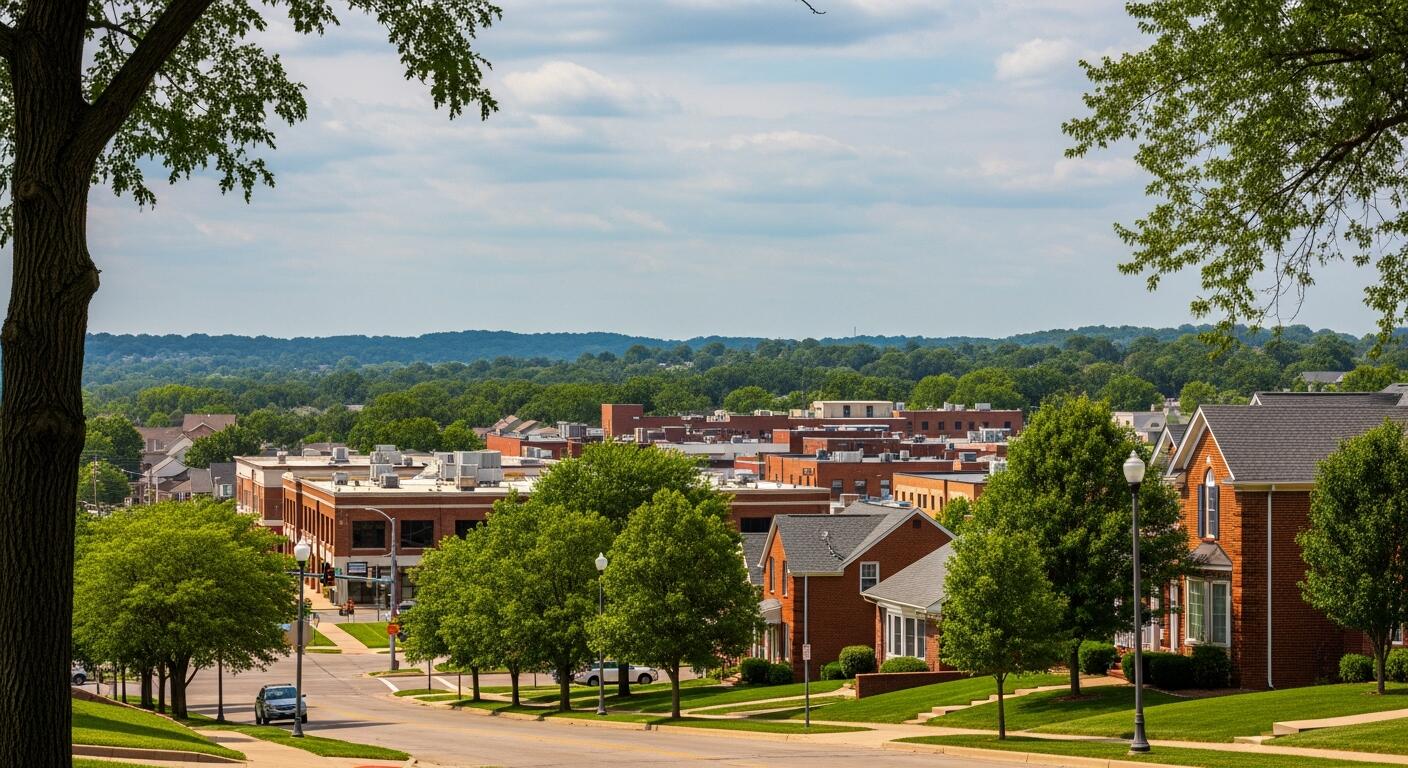
Shawnee is really two markets in one city: an older east side built out decades ago around Nieman Road, and a newer west side that has grown steadily toward De Soto along the K-7 corridor, and a 1031 buyer should treat those two halves as distinct submarkets rather than a single average.
Getting that distinction right at the start of a search saves time later, since a candidate that looks reasonable on paper can turn out to be a poor comparison once its side of the city is properly accounted for.
A broker unfamiliar with Shawnee's internal geography can sometimes present east-side and west-side comparables interchangeably, which is a mistake an investor should catch before it works its way into a pricing model.
Old Downtown Meets New Growth Corridor
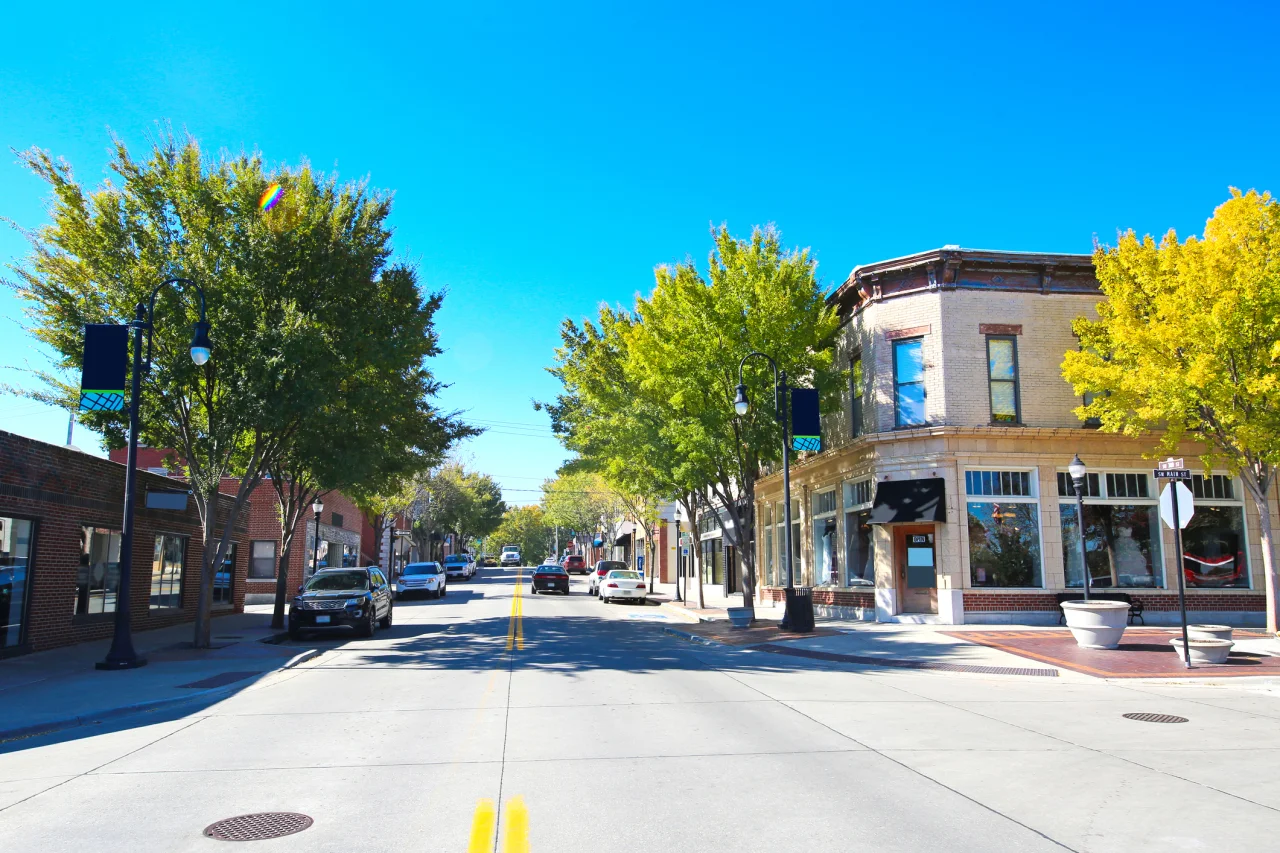
The historic Nieman Road area holds Shawnee's older small retail and service commercial buildings, while the K-7 corridor and the areas pushing west have added newer flex, light industrial, and logistics space, including development tied to the broader Vantage Point area of industrial growth. Retail along Shawnee Mission Parkway serves both halves but skews toward the more established, centrally located tenant base.
The pace of new industrial and flex development on the west side has been steady enough that comparable recent sales are easier to find there than for the smaller, older buildings closer to Nieman Road.
Residential growth pushing further west toward De Soto has also kept a supply of rooftops behind the newer commercial development, giving west-side retail and service tenants a growing customer base to draw from.
The Range of Property Types in Play
- older Nieman Road retail and service storefronts
- newer flex and light industrial space along K-7
- logistics and distribution buildings on the west side
- neighborhood retail along Shawnee Mission Parkway
- a mix of older and newer multifamily communities
Two Very Different Utility Cost Profiles
Newer industrial and flex buildings on Shawnee's west side generally carry modern roofing and insulation, keeping utility cost predictable and easing lender underwriting. Older Nieman Road buildings need a closer look, since roof and mechanical systems there can be original to a much earlier construction era, and a lower purchase price can be offset by a higher ongoing utility and maintenance load.
An investor comparing a west-side flex building to an east-side retail storefront should expect the utility and reserve line items to look meaningfully different even before rent and tenant quality are factored in.
Requesting at least twelve months of utility bills from both sides of any comparison keeps the analysis grounded in actual performance rather than a generic assumption about how an older or newer building should perform.
Choosing a Side Before the 45-Day Clock Runs
Because Shawnee's east and west sides behave so differently, an investor's identification list should decide early whether the target is established Nieman Road-area commercial or newer west-side industrial and flex space, rather than trying to keep both open through the full 45-day window without a clear priority.
Splitting attention evenly between both halves of the city for the full window tends to slow the search rather than improve the final outcome.
Once a side is chosen, a backup candidate on the same side of the city, rather than the opposite one, keeps the comparison consistent and defensible if the first choice falls through during due diligence and a replacement candidate needs to be substituted quickly.
Preparing the Record for the Intermediary
The file handed to the qualified intermediary should note which side of Shawnee the property sits on and why, since roof condition, utility history, and reserve assumptions differ enough between the two halves of the city to affect the closing numbers.
Where the target is west-side industrial or flex space, permit and construction-year documentation should be included, since it directly supports the utility and warranty assumptions used in underwriting, and gaps in that record should be resolved before the exchange agreement is finalized.
Where the target is an older Nieman Road building, a recent roof and mechanical inspection should stand in for the warranty documentation that a newer west-side building would otherwise readily provide.
Common 1031 Exchange Questions
Is Shawnee one commercial market or two?
Effectively two. The older Nieman Road area and the newer K-7 growth corridor on the west side have different building ages, tenant mixes, and utility cost profiles that should be evaluated separately.
What property types are growing on Shawnee's west side?
Flex, light industrial, and logistics and distribution space, much of it tied to the broader industrial growth along the K-7 corridor and the Vantage Point area.
What should a buyer check on older Nieman Road buildings?
Roof and mechanical system age, since these can be original to an earlier construction era and can carry a higher utility and maintenance load than the purchase price might suggest.
Should a Shawnee identification list target both sides of the city at once?
It is better to decide early which side, established Nieman Road commercial or newer west-side industrial and flex, is the priority rather than leaving both open through the full 45-day window.
What does the intermediary need to know about a Shawnee property's location?
Which side of the city it sits on, since roof condition, utility history, and reserve assumptions differ enough between the two halves to affect the closing numbers, along with permit and construction-year records for newer buildings.