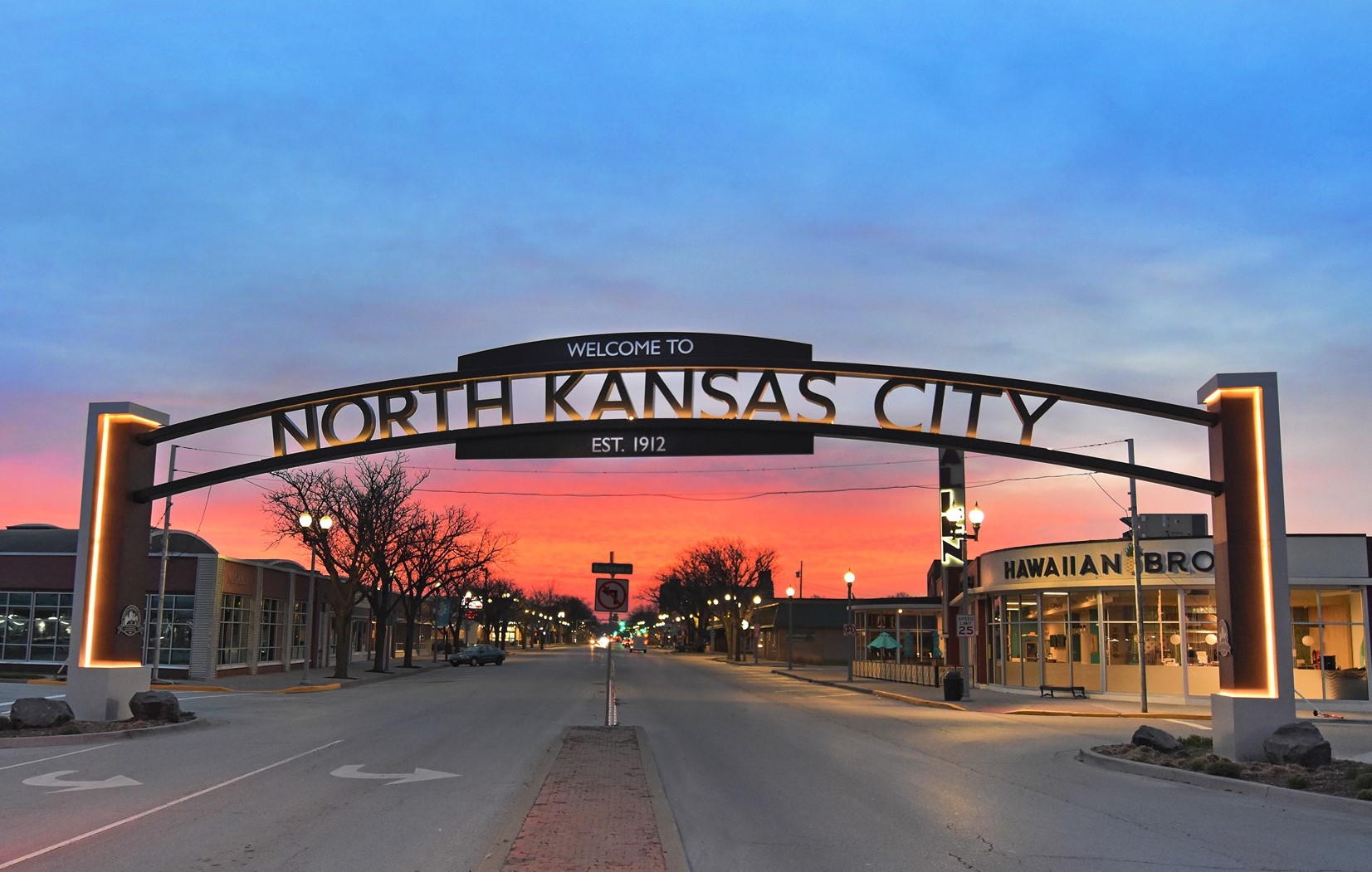
Warehouse and distribution investing has been one of the strongest-performing commercial categories nationally over the past decade, and Kansas City's position at the intersection of several major rail lines and interstate corridors has made it a genuine logistics hub rather than a secondary market riding a broader trend. Logistics Park Kansas City in Edgerton, built around BNSF's intermodal facility, anchors a large share of the metro's new industrial development.
What Makes a Building Function as Modern Distribution Space
Clear height, the unobstructed interior ceiling measurement, has become one of the most important specifications for institutional distribution tenants, with newer buildings in the Kansas City logistics corridors commonly built to thirty-two or thirty-six feet of clear height to allow high-density racking. Older buildings from prior development cycles often top out around twenty-four feet, which excludes them from consideration by many large e-commerce and third-party logistics tenants regardless of location.
Dock Door Ratios and Trailer Parking
The number of dock doors relative to building square footage, along with the amount of trailer parking and truck court depth, determines what kind of tenant a building can realistically serve. A cross-dock building with dock doors on two sides supports a different tenant profile, typically high-throughput distribution, than a rear-load building with docks on one side only, which tends to suit longer-term storage or light manufacturing tenants instead.
Truck court depth of around one hundred thirty to one hundred eighty-five feet has become close to a standard requirement for large trailer maneuvering at bigger distribution buildings, and a Kansas City building on a constrained older site sometimes cannot physically meet that depth regardless of how much other space it offers.
Single-Tenant Versus Multi-Tenant Industrial
Single-tenant buildings near Edgerton and the BNSF-served sites typically lease on longer net lease terms to national logistics or manufacturing users, offering more passive ownership similar to retail net lease property. Multi-tenant industrial parks closer to the urban core carry more leasing activity and turnover but also spread tenant credit risk across several smaller leases rather than concentrating it in one.
A multi-tenant park's smaller bay sizes also draw a different tenant pool entirely, often local trade contractors and light distribution users who cannot fill a three-hundred-thousand-square-foot cross-dock building but need functional, well-located industrial space at a scale closer to their own operation.
What Drives Rent Growth in This Category
Limited new supply relative to tenant demand has been the primary driver of industrial rent growth across the metro in recent cycles, though construction activity around the logistics corridors has picked up enough that an investor should evaluate the current development pipeline for a submarket before assuming past rent growth continues unchanged. E-commerce fulfillment and third-party logistics tenants have been the biggest demand source, followed by manufacturing and light assembly users drawn to the same rail and highway access.
Industrial as a 1031 Replacement Category
Industrial property, whether a single-tenant net lease building or a multi-tenant park, qualifies as like-kind real property for a 1031 exchange, and the category's longer lease terms on single-tenant assets make it a common landing spot for exchange investors coming out of more management-intensive property. Identifying a specific building's clear height, dock configuration, and tenant credit within a 45-day window takes more technical review than a straightforward retail net lease search, so starting that review before the exchange clock begins running is worth the head start.
Common Questions
Why does clear height matter so much for industrial buildings?
Modern distribution tenants rely on high-density racking that requires tall, unobstructed interior space. Newer Kansas City logistics buildings are commonly built to thirty-two or thirty-six feet of clear height, while older buildings around twenty-four feet get excluded from many large tenant searches.
What is the difference between cross-dock and rear-load industrial buildings?
A cross-dock building has dock doors on two sides, supporting high-throughput distribution flow. A rear-load building has docks on one side only and typically suits longer-term storage or light manufacturing tenants instead.
Is single-tenant or multi-tenant industrial property more passive to own?
Single-tenant industrial buildings, often leased on longer net lease terms, generally require less active management than multi-tenant industrial parks, which carry more frequent leasing activity and spread tenant risk across several smaller leases.
What has driven industrial rent growth in the Kansas City area?
Limited new supply relative to tenant demand has been the main driver in recent cycles, led by e-commerce fulfillment and third-party logistics tenants, with manufacturing and light assembly users adding to demand along the same rail and highway corridors.
Can an industrial building be used as 1031 exchange replacement property?
Yes, industrial real estate, whether single-tenant or multi-tenant, qualifies as like-kind property for a 1031 exchange, the same as any other investment real estate.