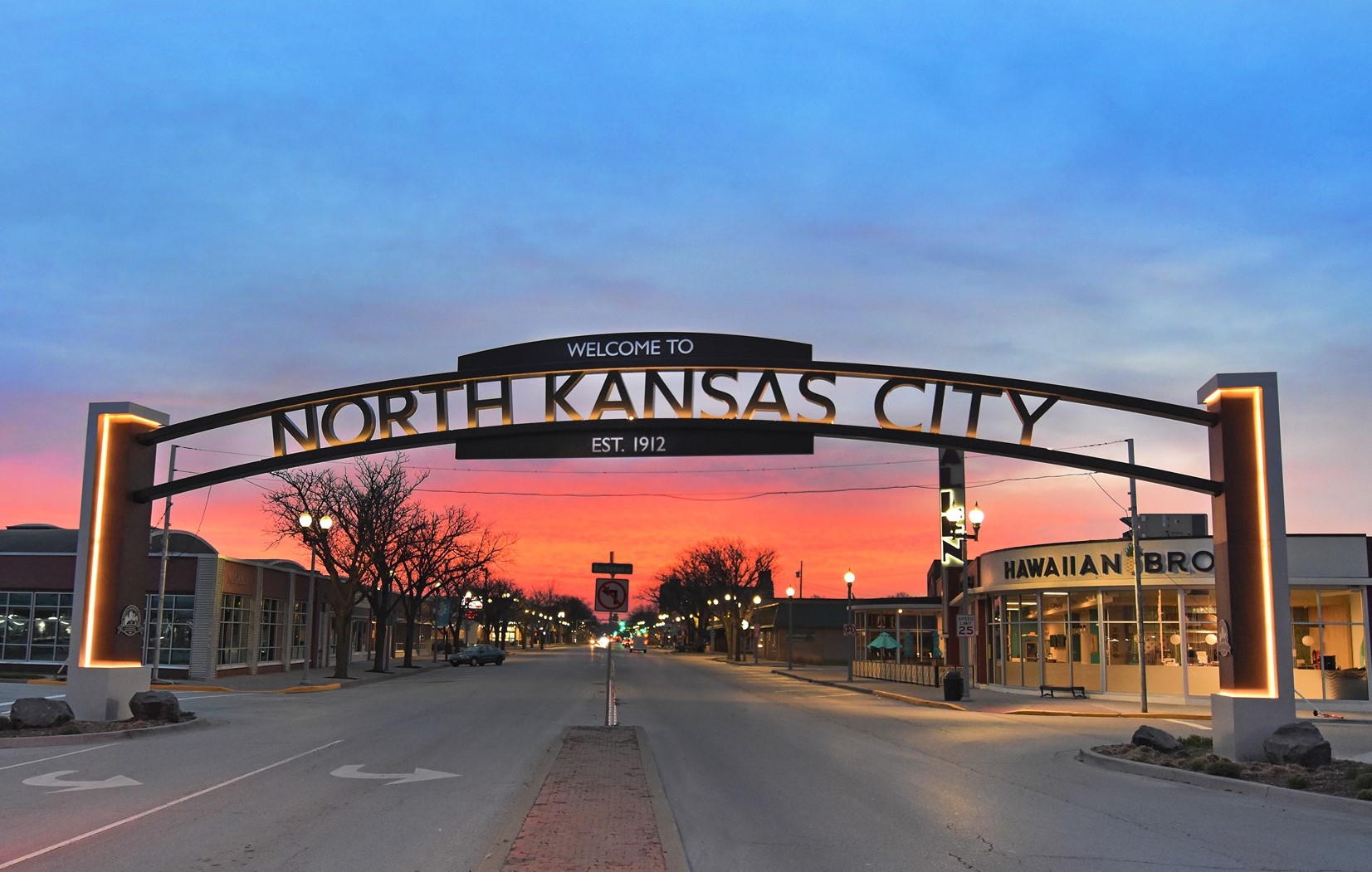
Buying an apartment building is a different process than buying a single-family rental, even at a small scale, because the lender, the inspection, and the closing all treat the property as a commercial asset rather than a residential one the moment it hits five units. A Kansas City buyer moving into this category for the first time usually finds the biggest surprise is how much of the process runs on the property's own financial history rather than the buyer's.
Getting Pre-Qualified Before Touring Buildings
Commercial multifamily lenders want to see the buyer's real estate experience, liquidity, and net worth before quoting terms, and many require some prior ownership or management experience for anything above roughly twenty or twenty-five units. A Kansas City buyer without that track record often starts smaller, or brings on an experienced partner, specifically to clear this hurdle rather than to add capital.
A pre-qualification letter from a commercial lender also tells a buyer roughly what loan-to-value and debt service coverage a specific property can support before an offer goes in, which matters because a seller's asking price and a lender's underwritten value do not always agree. Walking into a first offer with that number in hand keeps negotiations grounded rather than aspirational.
What the Physical Inspection Actually Covers
A commercial property condition assessment goes well beyond a residential home inspection, typically covering roof age and remaining life, HVAC and boiler condition unit by unit where accessible, plumbing material and any known leak history, parking lot and foundation condition, and life-safety systems including fire alarms and sprinklers where applicable. Older Kansas City-area buildings, particularly those with original cast iron or galvanized plumbing, deserve extra scrutiny here since a plumbing replacement across an occupied building is expensive and disruptive.
The Financial Due Diligence Checklist
Before removing financing and inspection contingencies, a buyer typically reviews:
- trailing twelve-month profit and loss statement
- current rent roll with lease start and end dates
- copies of the last two years of property tax bills
- utility bills to confirm who pays what
- any pending litigation or code violations tied to the property
Closing on a Commercial Multifamily Purchase
Commercial closings in the Kansas City area typically move slower than residential ones, often thirty to sixty days from contract to close depending on lender timelines and any tenant estoppel certificates required to confirm lease terms directly with tenants. Buyers should expect a title company experienced with commercial multifamily, since a residential-focused title office can slow the process down navigating a commercial loan package.
Using an Apartment Building as Exchange Replacement Property
An apartment building purchase timed against a 1031 exchange adds a layer of pressure to an already document-heavy process, since the 45-day identification window and 180-day closing deadline do not pause for a slow lender or a tenant estoppel that takes weeks to collect. Lining up financing pre-approval and requesting estoppel certificates early, before the identification deadline rather than after, keeps a commercial multifamily purchase on the exchange's clock instead of the other way around.
A qualified intermediary holds the exchange proceeds and prepares the exchange documentation, but does not underwrite the property or negotiate the purchase, so the buyer's own team, including a commercial lender and a broker familiar with Kansas City multifamily, still carries the underwriting and negotiation work on a compressed calendar.
Common Questions
Do you need prior experience to buy an apartment building?
Many commercial lenders want to see some multifamily ownership or management experience, especially above roughly twenty or twenty-five units. First-time buyers sometimes start smaller or partner with someone who has the track record a lender wants to see.
How is a commercial multifamily inspection different from a home inspection?
It typically covers unit-by-unit mechanical condition, roof and plumbing material and age, parking lot and foundation condition, and life-safety systems, in more depth than a standard residential home inspection covers.
How long does closing on an apartment building usually take?
Commercial multifamily closings in the Kansas City area often run thirty to sixty days from contract to close, depending on lender underwriting timelines and how quickly tenant estoppel certificates are collected.
What is a tenant estoppel certificate and why does it matter?
It is a signed statement from a tenant confirming their lease terms, rent, and any landlord obligations, used to verify the seller's rent roll is accurate. Lenders and buyers often require these before closing on a multifamily purchase.
Can buying an apartment building work within a 1031 exchange timeline?
Yes, but the 45-day identification and 180-day closing deadlines do not extend for slow financing or tenant estoppel collection, so starting the loan and estoppel process early is important to keep the purchase on schedule.